
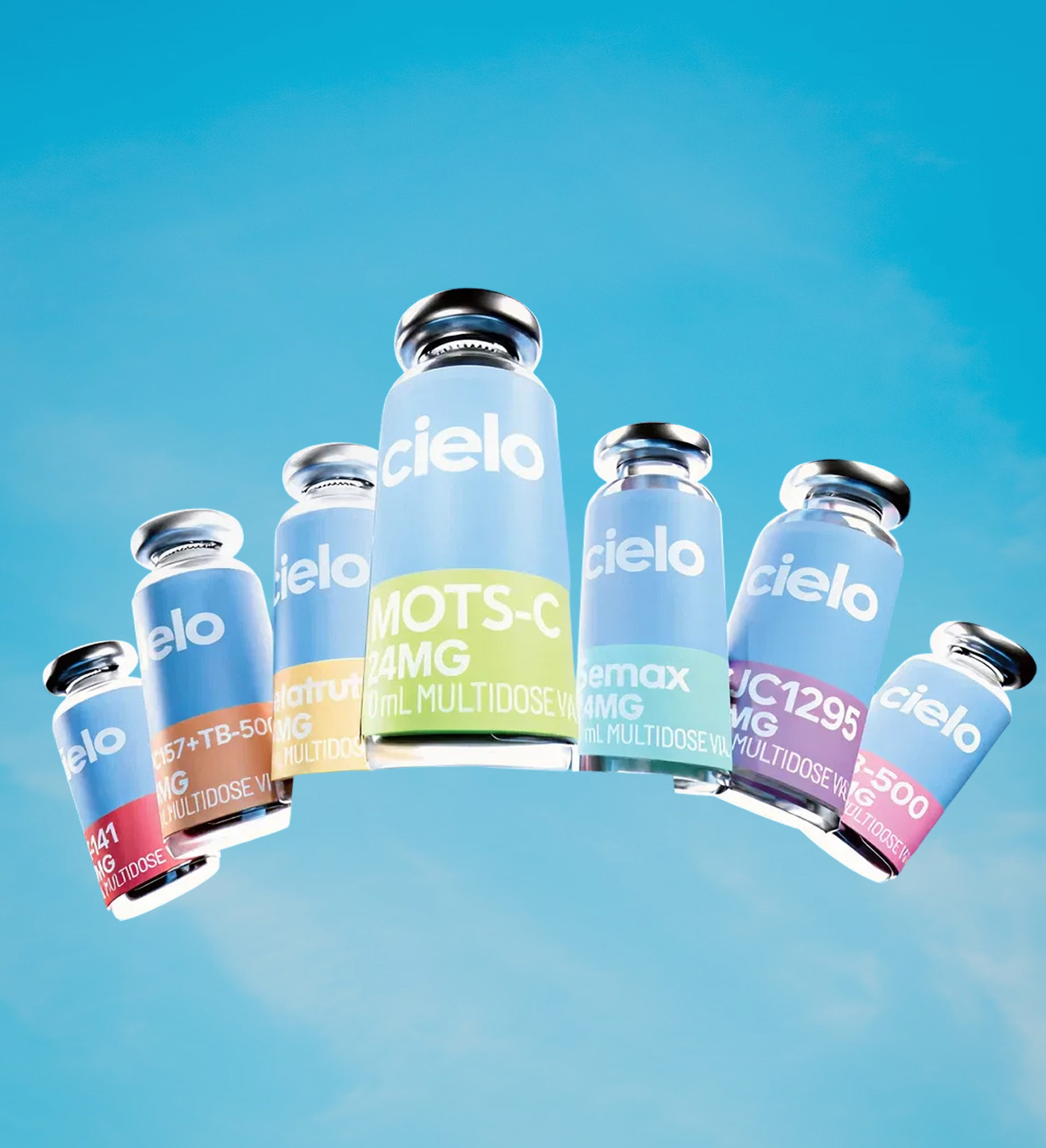
Storage & Handling Best Practices for Peptides
Peptides are sensitive biological molecules that require careful storage and handling to maintain their stability and integrity. Improper storage conditions can lead to degradation, loss of purity, or reduced effectiveness in laboratory research. Following proper handling procedures helps ensure that peptides remain stable and reliable for scientific studies.
Researchers working with peptides should pay close attention to environmental factors such as temperature, moisture, light exposure, and contamination. By maintaining appropriate storage conditions, the quality and consistency of peptide materials can be preserved over time.
Temperature Considerations
Temperature plays a critical role in maintaining peptide stability. Most lyophilized (freeze-dried) peptides are relatively stable when stored at low temperatures.
Common storage recommendations include:
- Short-term storage: Refrigeration between 2°C and 8°C
- Long-term storage: Freezer storage at -20°C or lower
Lyophilized peptides are generally more stable than peptides that have already been reconstituted. Once peptides are mixed with solvents or solutions, they may become more susceptible to degradation and should typically be stored in colder environments when not in use.
Avoiding Moisture and Contamination
Peptides are sensitive to moisture, which can accelerate chemical breakdown and reduce stability. To minimize exposure, peptide vials should remain tightly sealed when not in use and stored in dry conditions.
Best practices include:
- Keeping vials closed until ready for use
- Avoiding repeated opening and closing of containers
- Using sterile tools and handling techniques in laboratory settings
- Minimizing environmental exposure during preparation or transfer
Maintaining sterile handling procedures can also help prevent contamination that may affect experimental results.
Light and Environmental Exposure
Certain peptides can be sensitive to prolonged exposure to light or fluctuating environmental conditions. To protect peptide integrity, vials are often stored in opaque containers or placed in dark storage environments.
Researchers should also avoid excessive heat or repeated temperature changes, as these conditions may contribute to peptide degradation over time.
Reconstitution and Storage After Preparation
Once a peptide has been reconstituted in a solution for laboratory use, its stability may change. Many researchers divide prepared solutions into smaller aliquots to reduce repeated freeze-thaw cycles, which can affect peptide structure.
General handling considerations may include:
- Preparing only the amount needed for near-term use
- Storing prepared solutions at appropriate temperatures
- Limiting repeated freeze-thaw cycles when possible
Proper labeling of prepared samples can also help maintain organized storage and accurate tracking in laboratory environments.
Supporting Reliable Research
Maintaining proper storage and handling practices is an important part of ensuring reliable scientific research. Careful management of environmental conditions helps preserve peptide stability and supports more consistent experimental outcomes.
At Cielo, we focus on providing high-quality peptides intended for laboratory and research use. By prioritizing careful sourcing, quality standards, and transparency, we aim to support researchers working to advance scientific understanding in peptide science and biotechnology.
Recent Post
The Future of Peptide Innovation
February 8, 2026
Storage & Handling Best Practices for Peptides
February 7, 2026
Peptides vs Traditional Compounds: What’s the Difference?
February 6, 2026